

Last Updated: October 31, 2026
Quick Summary
Whether epoxy resin plates last longer depends on how they are made and cared for, not the resin itself. A well-made domed plate can outlast a bare acrylic one, and the deciding variables are UV exposure, cleaning method, and curing quality.
- UV exposure is the main cause of yellowing on resin plates.
- Cleaning method drives micro-scratches, so choose your cloth and soap carefully.
- Curing quality determines hardness and depends on who makes the plate.
- Heat exposure softens the polymer matrix, so watch where you park.
- Clean resin domed plates with lukewarm water and a soft cloth, then dry them.
Table of Contents
- Do Epoxy Resin Plates Last Longer? The Honest Answer
- Resin vs Acrylic Number Plates: Which Survives the Road?
- How to Clean Resin Domed Plates Without Damaging Them
- Frequently Asked Questions
Do Epoxy Resin Plates Last Longer? The Honest Answer
Whether epoxy resin plates last longer depends on how they are made and cared for, not the resin itself. A well-made domed plate can outlast a bare acrylic one, and the deciding variables are UV exposure, cleaning method, and curing quality. The deciding variables are UV exposure, cleaning method, and curing quality.
| Factor | Effect on lifespan | What you control |
|---|---|---|
| UV exposure | Main cause of yellowing | Parking, covers |
| Cleaning method | Drives micro-scratches | Cloth and soap choice |
| Curing quality | Determines hardness | Who makes the plate |
| Heat exposure | Softens polymer matrix | Where you park |
Resin vs Acrylic Number Plates: Which Survives the Road?
A cheaply poured dome with an uneven hardener ratio will yellow and lift at the edges long before a properly cured one does.
How to Clean Resin Domed Plates Without Damaging Them
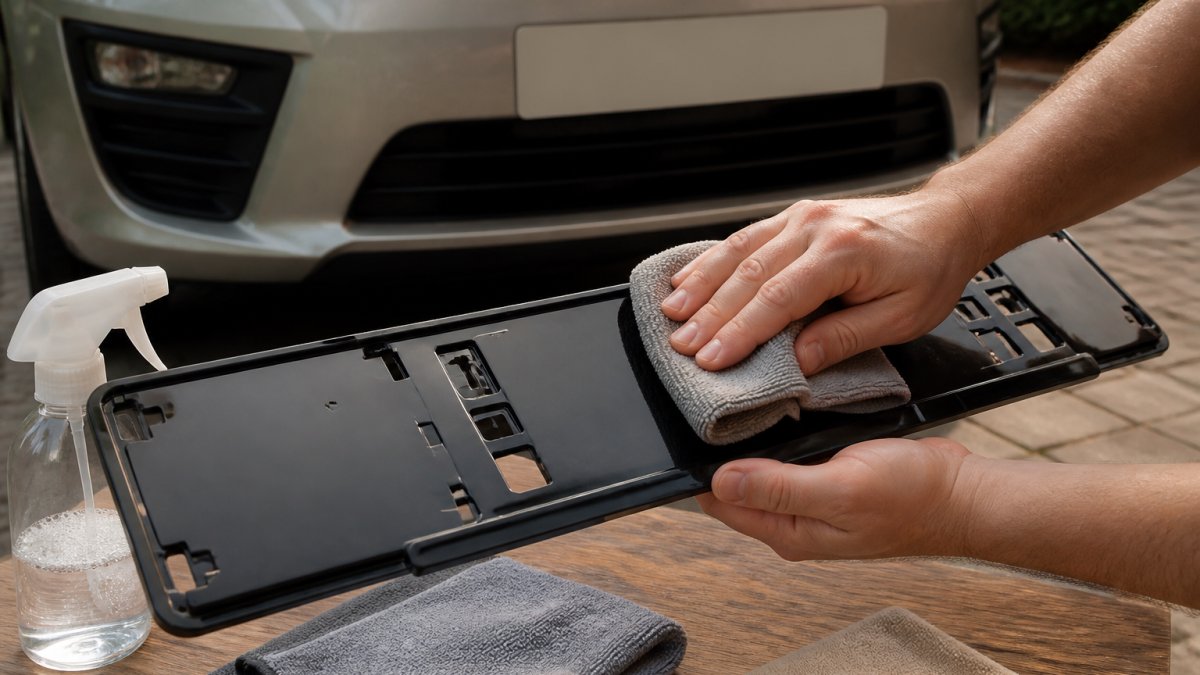
Clean resin domed plates with lukewarm water and a soft cloth, then dry them.
Browse our custom number plate holders to see what is available.
Frequently Asked Questions
Do epoxy resin number plates fade over time?
They can, but the cause is usually UV exposure rather than the resin itself. Protecting plates from direct sunlight helps slow yellowing and dulling. Parking in a garage or shaded spot, and washing off road salt and grime regularly, slows surface degradation. If a plate does start to look tired, the printed layer beneath the dome is usually the first to go, not the dome itself.
Are epoxy resin plates road legal under DVLA number plate regulations?
The DVLA rules cover the plate itself, not the holder: correct font, size, spacing, colour and the British Standard mark on the plate. A resin-domed holder that frames or displays a compliant plate without obscuring or altering the characters is generally acceptable. Anything that changes the appearance of the registration, such as tinted covers or distorted lettering, is not. Check your plate meets the current DVLA specification before fitting any custom holder.
How do you clean epoxy resin plates to prevent damage?
Use lukewarm water with a small amount of mild car shampoo and a soft microfibre cloth. Wipe gently in straight lines, rinse, then dry with a clean cloth to avoid water spots. Skip abrasive polishes, vinegar, and solvent-based cleaners, which dull the dome and can attack the polymer matrix over time. Hand washing is safer than a dishwasher, which is never appropriate for a fitted plate. Avoid pressure washing directly at the dome edges.
